
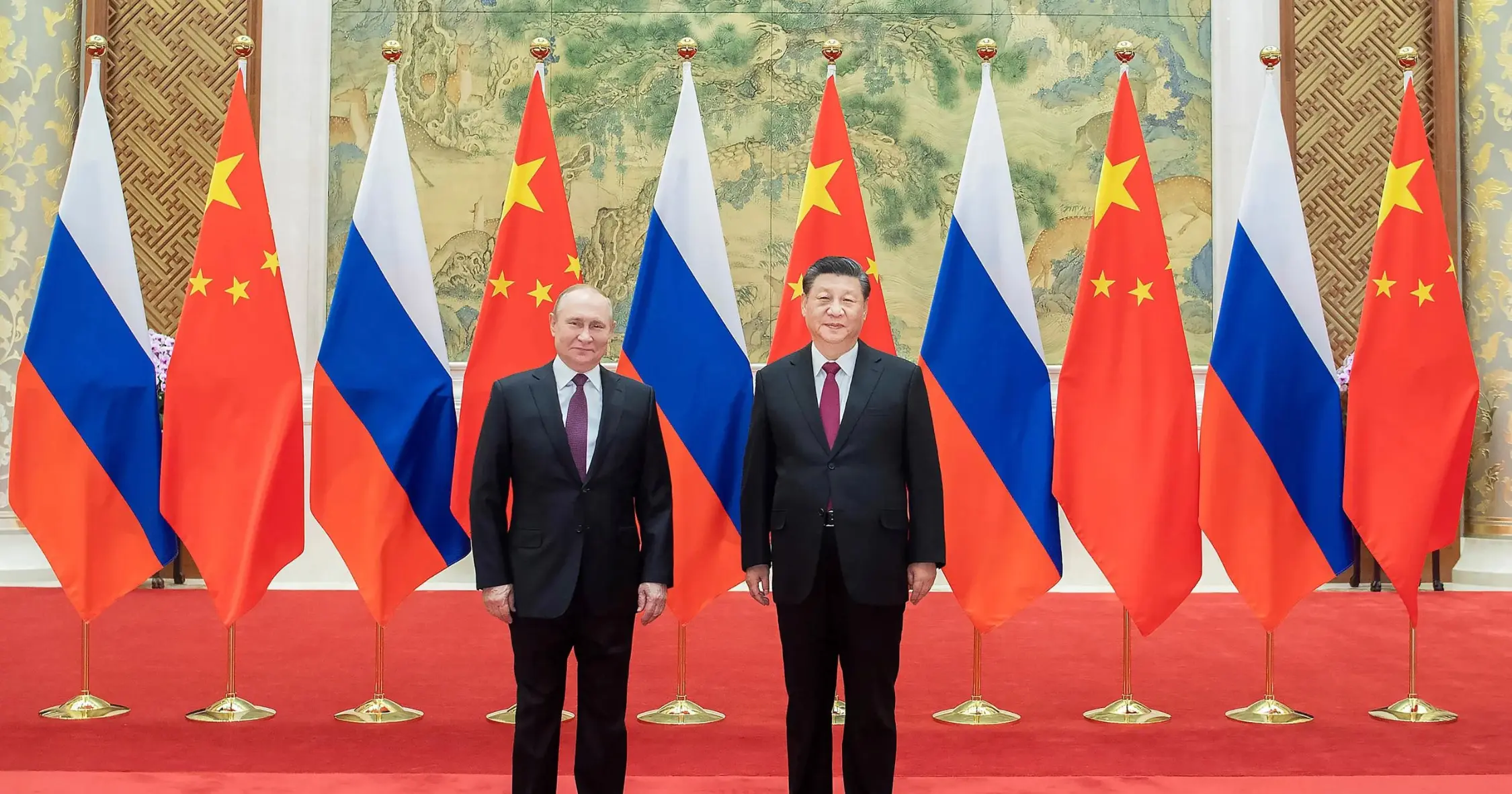
The US State Department’s latest cybersecurity strategy represents a critical move to counteract Russia and China’s growing digital influence in developing nations.
The main purpose of these strategic approaches is to mitigate these countries’ purported attempts to meddle in Worldwide elections.It was explored on Monday. According to resources, in the 2024 election more than half of the world population will participate.
The strategy suggests that the US must remain vigilant, calling out hackers and disinformation agents who threaten the integrity of democratic processes. By proactively addressing these challenges, the US seeks to bolster global confidence in democracy and promote a more secure digital environment.
The top cyber diplomat said in an interview: “We have communicated and will continue to communicate to Russia and to China that we view interference in our democratic processes in the United States as absolutely unacceptable,” “Secretary [Antony] Blinken has said it.”
Fick and Blinken recently got back from China. They highlight the ongoing tensions between China and the United States. Bliken gave a statement to CNN about Chinese efforts to meddle in the upcoming US elections. This mission is not diplomatic. It is an indicator that the US is ready to take a stand against those countries that try to interfere in US agendas.
The new State Department strategy seems to be part of a broader effort to unify US diplomats around a set of principles that push back against autocratic regimes. I think it’s interesting how the US is framing this as a way to support “innovative” tech companies and foster competition, potentially to counterbalance China’s influence in the tech sphere.
When Blinken talked about “unleashing our diplomatic arsenal” to support tech companies, It means the US wants to act as a bridge in assisting these businesses. It can also set an example to the remaining countries of the world to work with the US against governments that try to control information and limit free speech.
No doubt that this strategy is smart but how the US plans to do this and if other countries will push back because they don’t agree with this approach.
According to the US state department, strong cybersecurity plays a key role for economies and democracies to thrive. One wrong step disrupts the entire economy. At the same time if a government uses spyware to hack phones, it can track down and imprison people who oppose it.
The State Department’s new plan is designed to get more developing countries to agree with the US vision for cyberspace, which rejects digital oppression. This continues the US’s ongoing efforts to persuade allies and partners to avoid using critical communications technology and software from authoritarian countries like Russia and China.
US officials have long said that technology from these countries isn’t as secure and can be used for spying by Russia or China. With this new plan, the US is making a stronger case that the internet model promoted by authoritarian regimes is harmful to societies.
Accoding to Fick “ “I think that repressive regimes, including [China] and other actors … they’re in a lot of ways doing our work for us, “”They’ve misused cyber and digital tools repeatedly to threaten international peace and stability, to threaten economic security, to exert malign influence, to undermine human rights. And that narrative is becoming more widely understood and more broadly held, including in the developing world.”
One of the US allies was hit hard by a ransomware attack in 2022. This attack affects the social security and finances system. For recovery purposes the US provides $25 million.
After this, Costa Rica refused to use Chinese technologies according to the instruction of the US. this decision angered China
However, Chinese companies like Huawei are still winning contracts in other regions, such as Africa.
US official Fick noted that China’s global infrastructure projects, like the Belt and Road Initiative, are gaining traction, indicating the US has a challenging task ahead in promoting its own tech policies.
Furthermore, Blinken also showed concern about the success of China technology like Huawei’s in some markets and stressed the need for the US to stay ahead in key technologies that drive the global economy.




Recent Comments